




 English GB
  Polski
 Deutsch
Shopping Cart

1. Walk at your own pace or according to your favourite activity app on your phone.
When hiking in the countryside, it is important to walk at your own pace if you do not want to be exhausted halfway through. Walk at your own pace, even if you are hiking in a group. Do not try to keep up with others. It is better not to overexert yourself, not to push yourself too fast, to walk slower but longer, without stopping every 5 minutes. Too many stops disrupt your rhythm.
For longer hikes, it is essential to get to know your body well in advance so that you are properly prepared and know what to expect. You are not going away for a few hours, but for a few days. You will have to survive... hence the importance of preparing and planning your route in advance.
Remember to prepare for all conditions:
- clothing and footwear for ‘hot and cold’ weather,
- inform your loved ones about your route plans,
- get the right maps or phone apps,
- make sure your phone is charged and have a spare power bank, save the emergency number in your phone,
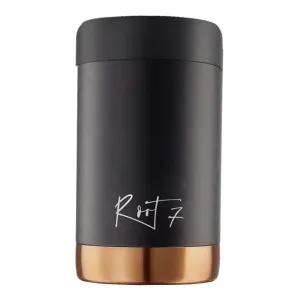
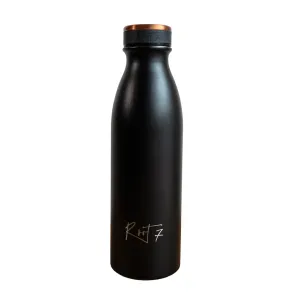
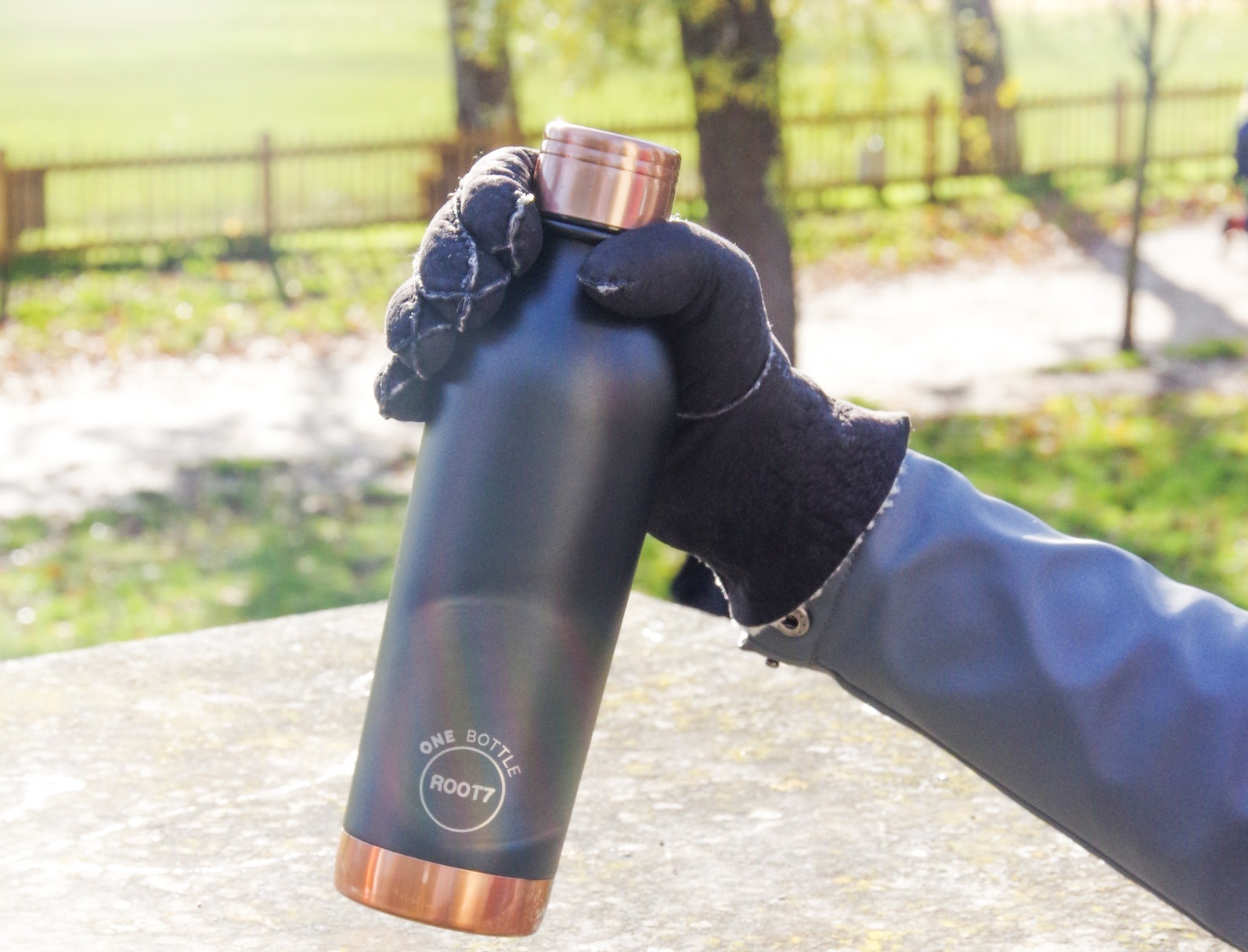
- prepare a supply of water and food, a thermal bottle and a thermal food container will help.
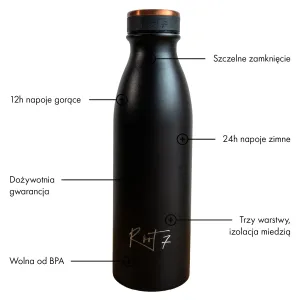
2. Drink water regularly - a good quality thermal water bottle will help with this.
Drink water very regularly, without waiting until you feel thirsty. During exercise, your body becomes dehydrated. Therefore, you should replenish your fluids on an ongoing basis. Remember that after an hour without hydration, you can lose up to 30-40% of your energy! Therefore, every 20-25 minutes, you should take a few sips of water (which you can replace with an energy drink). This will help you avoid extreme fatigue and reduce muscle pain, cramps and aches after hiking. One last tip: do not drink ice-cold water, as it can cause stomach ache.
For longer hikes, to stay motivated, remember that water is not only needed to hydrate your body, but also for cooking. You can carry enough supplies for a few days, but then you will need to replenish them! From a practical point of view, use thermal bottles to drink regularly without having to stop every time. Also, bring disinfectant tablets or a water filter with you to safely hydrate at water sources and fountains.
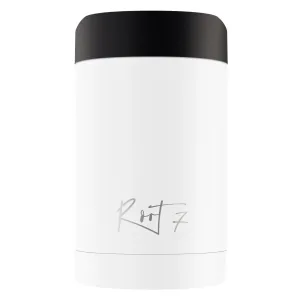
3. Eat light and energising meals - a warm meal will provide a thermal food container.
Another source of fuel for the body is food. If you are setting off early in the morning for a mountain hike, eat a hearty meal with a high carbohydrate content the day before, or even a few days before. These sugars - called slow sugars - will allow you to set off with a supply of energy. For example, choose rice, sweet potatoes or legumes such as lentils or chickpeas, which are also rich in minerals. During the trip, focus on so-called fast sugars. Eat a piece of dried fruit or an energy bar regularly.
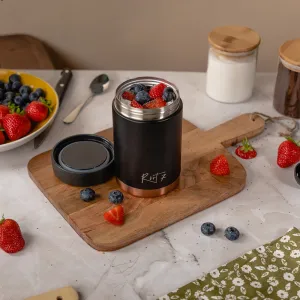
If you are going on a full-day recreational trip, take a balanced picnic meal with you that will give you energy but will not burden your digestive system. This will ensure that your hike does not end halfway through the day. A thermal food container, known as a lunch box, which maintains a constant temperature for up to 8 hours, will provide you with warm meals during a day trip. You can opt for sandwiches or salads made from carbohydrate products with ham, hard-boiled eggs, raw vegetables and take some fruit with you. However, avoid cold cuts and anything that is too fatty or heavy... you will have trouble moving again.
For longer hikes, take freeze-dried meals or meals that take up little space, free sugars, dried fruit and high-calorie foods to replenish your energy. A thermal food container will come in handy for preparing such a meal, allowing you to save half a portion for later, as the thermal container will keep it warm.
If necessary, check the opening hours of catering outlets and take with you the appropriate amount of fuel needed for cooking.
4. Take only the essentials with you!
Do not overload your rucksack unnecessarily! It is good to be prepared, but do not take energy bars for 5 days when you are only going for 5 hours. Do not take unnecessary items just because there is still room in your rucksack; after a few kilometres, you will regret it!
This is even more true for longer hikes. The most important thing is your hiking equipment. You will need extra clothing, food and hiking gear. Your rucksack will therefore already be well loaded.
So stick to your list and don't add anything else!
5. A few final tips...
Set off early in the morning, as soon as it gets light. In summer, you can avoid the heat during the first part of the route. In autumn, you will definitely make it back before dark. What's more, if you go on a day trip, you won't have to rush. At lunchtime, you can take a longer break for lunch, admire the views, digest your meal in peace, and even stretch a little to relax your muscles... and then continue your hike. Set off well equipped. Hot, cold or rainy weather makes hiking difficult. It is always best to check the weather forecast before setting off, even if it means postponing your trip. I Whatever happens, always take something with you in case of unpredictable weather changes, especially in the mountains. It is worth remembering to take a first aid kit with you.